
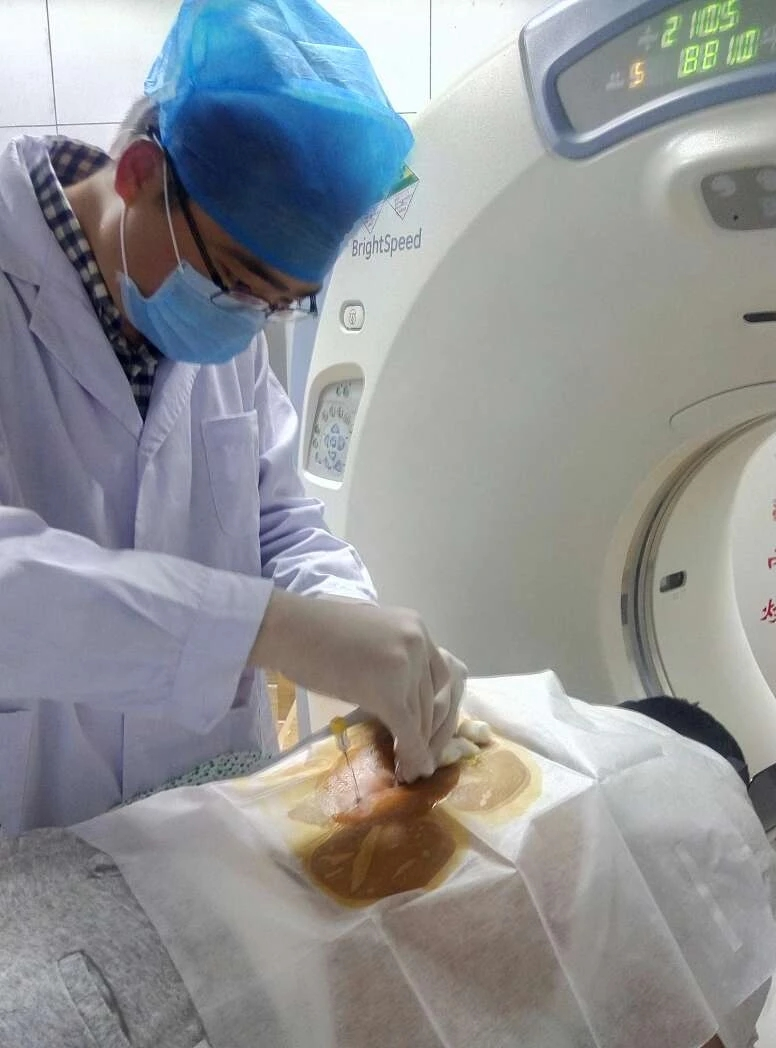
Spinal stenosis is a degenerative condition characterized by the narrowing of spaces within the spine, which can place pressure on nerves and surrounding tissues. Patients commonly experience chronic back pain, numbness, reduced mobility, muscle weakness, and impaired daily function. Conventional treatment approaches often include medication, physical therapy, pain management, or surgical decompression, depending on disease severity. In recent years, regenerative medicine has introduced additional treatment strategies focused on tissue repair and inflammation control. Among these approaches, stem cell injections for spinal stenosis have become an area of growing clinical interest because of their potential role in supporting pain reduction and functional recovery. Healthcare organizations such as SunMoon Stem Cells integrate regenerative medicine with rehabilitation and precision-guided treatment systems to support patients with chronic spinal conditions.
Regenerative Mechanisms and Precision-Guided Intervention
The scientific rationale behind stem cell injections for spinal stenosis involves the regenerative and immunomodulatory properties of stem cells. Certain stem cell types are studied for their ability to release neurotrophic and anti-inflammatory factors that may help regulate tissue inflammation, improve the local microenvironment, and support tissue repair around compressed spinal structures. These biological effects may contribute to pain management and improved mobility in selected patients.
SunMoon Stem Cells applies precision-guided regenerative treatment planning through comprehensive neurological evaluations, imaging studies, and functional assessments before therapy begins. The organization incorporates multiple delivery methods, including intravenous infusion, lumbar puncture, CT-guided implantation, and vascular intervention techniques. CT-guided stem cell injections for spinal stenosis are designed to improve delivery precision while minimizing tissue disruption. Personalized treatment strategies are developed according to the patient’s spinal condition, pain severity, mobility limitations, and rehabilitation requirements.
Integrated Rehabilitation and Functional Pain Management
Effective degenerative pain management often requires a multidisciplinary approach in addition to regenerative intervention. Programs involving stem cell injections for spinal stenosis frequently combine regenerative medicine with physical therapy, rehabilitation training, electrotherapy, and supportive pain management strategies to improve long-term function and quality of life.
SunMoon Stem Cells integrates rehabilitation and long-term monitoring into its regenerative care framework. Clinical observations associated with integrated rehabilitation pathways may include improvements in movement flexibility, posture stability, muscle strength, and neuropathic pain management. Some patients may also experience enhanced mobility and improved ability to perform daily activities. Long-term follow-up systems and digital health monitoring help clinicians evaluate patient progress and adjust rehabilitation plans according to recovery response over time.
Advancing Regenerative Strategies for Chronic Spinal Conditions
The development of integrated regenerative medicine frameworks reflects a broader shift toward individualized and minimally invasive approaches to chronic spinal disorders. Through precision-guided intervention, multidisciplinary rehabilitation integration, and continuous follow-up systems, SunMoon Stem Cells demonstrates how stem cell injections for spinal stenosis can be incorporated into structured pain management and functional recovery programs. As regenerative medicine continues to evolve, integrated treatment pathways are expected to remain important in the long-term management of degenerative spinal conditions.