
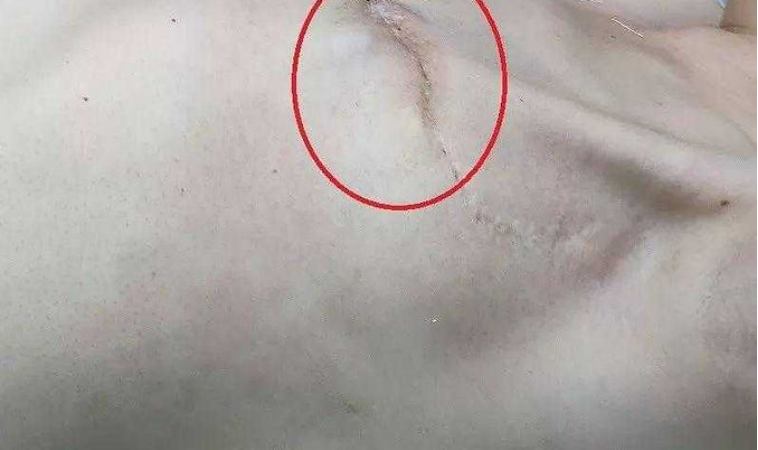
Treatment for straight back syndrome primarily focuses on relieving symptoms and improving the mediastinal space. For most patients, conservative management—such as posture training, breathing exercises, and physical therapy—is sufficient. However, in severe cases—such as those with airway compression or concurrent chest wall deformities (including pectus excavatum or flat chest) that further narrow the mediastinal space, surgical intervention may be necessary to restore thoracic volume and relieve pressure on the heart and lungs.
Identifying the Origins of Spinal Flattening
The condition is largely congenital, potentially arising from abnormal thoracic vertebral development during embryogenesis, and may occasionally be related to genetic factors. Furthermore, the development of spinal lesions may be associated with anterior chest wall deformities. This explains why patients with chest wall disorders such as pectus excavatum or flat chest are prone to concurrent straight back syndrome. The abnormal vertical spine reduces the mediastinal space, compressing the heart and other structures, which can lead to respiratory symptoms and even functional heart disease, even if the heart itself usually has no underlying pathology.
Clinical Signs and Evaluation
When a patient presents with a suspiciously flat upper back, doctors look for more than just a lack of curvature; they examine the impact on the heart. Straight back syndrome is frequently discovered during routine check-ups when a physician hears an unusual heart sound caused by the heart being slightly displaced or compressed. Advanced imaging, such as a lateral chest X-ray, is used to measure the distance between the vertebrae and the breastbone. If this distance is significantly narrowed, it confirms that the skeletal structure is physically crowding the mediastinal space.
Innovative Structural Correction
Recognizing the limitations of conventional spinal surgery, the Institute of Chest Wall Surgery (ICWS) has developed a novel approach using digital materials or MatrixRIB to reconstruct the anterior chest wall. This approach creates a slight protrusion of the anterior chest wall, expanding mediastinal space and relieving compression. For patients with straight back syndrome combined with pectus excavatum or flat chest, traditional chest wall correction can also be performed to increase thoracic volume and reduce mediastinal pressure. Through the innovative procedures available at ICWS, patients can achieve a more functional thoracic shape and a significant improvement in their overall quality of life.