
High-speed food manufacturing leaves little room for inspection methods that interrupt product flow or depend entirely on what can be seen from the outside. Packaged meals, meat, seafood, bakery goods, snacks, dairy products, and prepared foods can move rapidly through several processing stages, each with different physical characteristics and contamination concerns.
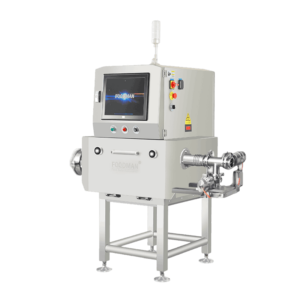
X-Ray machine can examine products continuously. They use differences in material density to reveal foreign objects. These objects may remain hidden inside food or packaging. Foodman Vision represents an inspection approach. That approach treats product characteristics, throughput, image interpretation, and production requirements as interconnected factors.
Adapting Inspection to Different Food Categories
Food products do not present identical inspection conditions. Dense meat portions can create a stronger background image than lightweight bakery items, while mixed meals may contain ingredients with substantially different densities within the same package.
Seafood introduces another set of considerations because bones, shells, and other dense materials may occur naturally alongside edible portions. Frozen products can also change in surface condition and structure, particularly when ice accumulation or temperature variation affects product presentation.
Dry foods such as nuts, grains, snacks, and confectionery generally have different physical properties from sauces or moisture-rich prepared meals. Such variation makes product-specific assessment important rather than applying identical inspection settings across every production category.
Keeping Inspection Compatible With High Throughput
Speed becomes a practical factor once inspection is integrated into continuous manufacturing. Products need to pass through the inspection area at a rate compatible with upstream and downstream processes, while spacing and orientation should remain sufficiently consistent for image interpretation.
Package dimensions can also affect inspection conditions. A compact pouch, deep carton, and large tray place different amounts of material within the imaging path. Product height and density influence image contrast, so operating parameters should reflect the actual formats handled on the production line.
Rapid processing does not remove the need for verification. Representative test pieces can be used at defined intervals to assess whether inspection performance remains consistent under normal operating conditions. Records from these checks can provide useful evidence when production speeds or product formats change.
Reading More Than Just Foreign Objects
Foreign-object inspection involves more than recognizing metallic fragments. Glass, stones, dense plastics, and bone fragments may also create detectable density differences, depending on their composition, size, position, and the surrounding food.
Shape can influence image interpretation considerably. Thin fragments may appear differently from compact pieces, while the orientation of an object can affect its visible profile. Product thickness matters as well because greater amounts of food can alter the contrast between the contaminant and its surroundings.
Packaging must be considered alongside the food itself. Film, trays, cartons, and other materials contribute to the overall image, yet the inspection process needs to distinguish packaging characteristics from suspicious objects. Consistent package positioning helps create more stable inspection conditions.
Connecting Inspection With Production Flow
Placement within a processing route can influence the type of information obtained from inspection. Checking products after filling may reveal issues associated with ingredients or preparation, whereas examination near the finished-goods stage provides another opportunity to identify contamination introduced later in handling.
Production layout matters beyond the inspection point itself. Conveyors, transfers, filling equipment, sealing machinery, and packaging stations can each influence product orientation or create opportunities for physical contamination. Understanding the sequence of operations helps determine where inspection information has the greatest practical value.
Reject handling deserves equal attention. Products identified during inspection should be separated according to established procedures, with relevant batch and production information retained for subsequent investigation. Such records can help distinguish isolated findings from recurring patterns.
Using Data to Investigate Contamination Sources
Repeated detections may reveal connections that are difficult to identify from individual incidents. Similar findings across a particular ingredient, processing stage, package format, or production period can provide clues about where further investigation should begin.
Maintenance records may offer additional context. Worn cutting components, damaged conveyor parts, loose fasteners, or other mechanical issues can create physical contamination risks. Comparing inspection findings with maintenance events may therefore help quality teams investigate recurring problems more efficiently.
Supplier controls also form part of the wider picture. Raw materials can carry foreign materials from agricultural, transportation, or handling environments. Inspection results, incoming-material records, and supplier assessments can be reviewed together to create a more informed view of contamination pathways.
Building Scalable Inspection Practices
High-volume facilities often manufacture numerous products on shared production lines, so flexibility becomes an important consideration. Different recipes, package sizes, and production speeds may require separate inspection parameters and validation records.
Routine verification should reflect real manufacturing conditions rather than relying solely on theoretical specifications. Testing can cover representative products, relevant contaminant materials, package configurations, and normal conveyor speeds. Changes to recipes or equipment may warrant another assessment before routine production resumes.
Custom Engineering for Evolving Production Lines
High-speed facilities rarely run the same product forever. Recipes change, package sizes shift, and line speeds are adjusted to meet demand. Foodman Vision works with B2B customers through OEM and ODM agreements to adapt inspection hardware as these variables evolve. Aperture dimensions, conveyor synchronization, and rejection timing can be modified without replacing the entire unit. Sample trials under actual line conditions help confirm that changes deliver the intended detection performance. This collaborative approach keeps inspection aligned with production reality rather than treating the equipment as a fixed asset.
High-speed food production demands more than rapid movement through a processing line; it requires inspection practices capable of adapting to differences in ingredients, package formats, density, and contamination risk. With Foodman Vision considered within that broader framework, X-Ray machine inspection can provide valuable internal visibility while products remain sealed and moving through production. Thoughtful validation, appropriate operating parameters, and meaningful interpretation of inspection results give manufacturers a practical foundation for managing foreign-object risks across diverse food categories.