
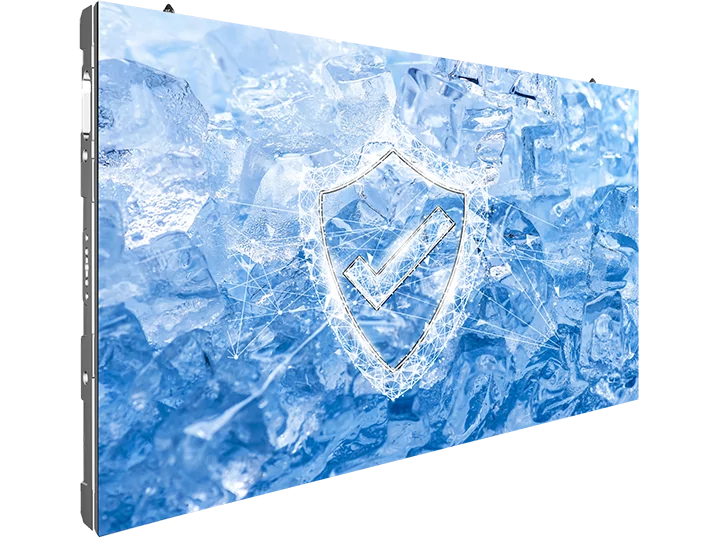
Consistent image quality depends heavily on routine care, especially in spaces where displays operate for long hours. An indoor LED video wall should be checked through both visual observation and scheduled technical inspections. Ledman’s DS Series uses 0.7mm and 1.2mm pixel pitches and incorporates proprietary technology described as a lower-temperature “ice screen” design.
Detect Pixel And Image Issues Early
Pixel faults can appear as dark points, abnormal colors, flickering, or inconsistent brightness. Regular content checks using solid-color test patterns make these defects easier to identify than ordinary video playback. Recording affected module locations also helps technicians determine whether an issue is isolated or recurring.
Brightness calibration deserves similar attention. Uneven output between modules can become noticeable over time, particularly on large installations. Calibration should follow the manufacturer’s technical procedures and account for the display’s operating environment.
Control Dust And Operating Conditions
Indoor equipment still accumulates dust, even inside relatively clean rooms. Surface cleaning should use materials and methods approved for LED display equipment, while ventilation areas require periodic inspection. Excessive moisture or unsuitable cleaning agents can create additional risks.
Room temperature and airflow should also be monitored. Stable environmental conditions reduce unnecessary stress on electronic components and can support more predictable operation. An indoor LED video wall installed in a dusty venue may require a shorter inspection interval than one located in a controlled office environment.
Decide When Service Support Makes Sense
Routine checks can often be handled by trained in-house staff, such as visual inspections and basic cleaning. More complex problems involving modules, power systems, control components, or calibration should generally be assigned to qualified technicians.
A service contract becomes more valuable when downtime has significant operational consequences or technical staff are unavailable on site. Contract terms should clarify response times, covered components, remote diagnostics, spare-part handling, and labor responsibilities.
Conclusion
Maintenance works best as a planned process rather than an emergency response. Pixel inspection identifies visual abnormalities, calibration addresses consistency, and dust management protects the operating environment. Service agreements can add another layer of support where rapid technical intervention matters. With its 0.7mm and 1.2mm pixel-pitch options, Ledman’s DS Series gives buyers defined configurations to assess when planning an indoor LED video wall and its long-term maintenance requirements