
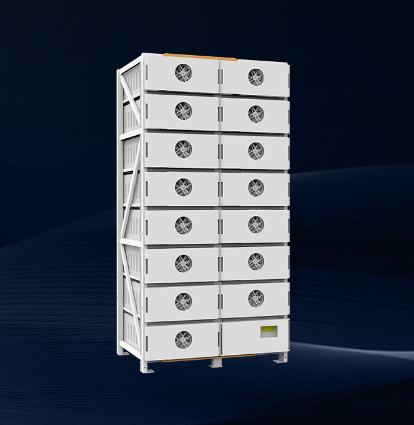
Improving performance of energy storage systems often starts with the battery cabinet. Operators seeking reliability and longevity need practical approaches rather than complex overhauls. Small, consistent actions make a measurable difference in how these units function over time.
Prioritize Temperature Regulation
Heat remains one of the biggest challenges for any battery cabinet. When temperatures rise too high, internal components degrade faster, reducing overall efficiency. Placing the unit in a climate-controlled space or adding ventilation fans helps maintain stable conditions. A well-regulated environment also prevents thermal runaway risks. For facilities with multiple units, grouping them away from direct sunlight or heat sources extends their service life. Regular checks on temperature sensors ensure early detection of any unusual spikes.
Schedule Routine Connection Inspections
Loose or corroded connections silently drain performance from a battery storage cabinet. Every terminal and cable lug should be tightened according to manufacturer specifications. Corrosion buildup increases resistance, which generates excess heat and wastes energy. A simple quarterly inspection using a thermal camera or resistance meter identifies problem spots before they escalate. Cleaning terminals with appropriate solutions removes oxidation without damaging surfaces. This practice alone improves energy transfer efficiency noticeably.
Implement Charge Cycle Monitoring
Overcharging or deep discharging harms battery chemistry inside any battery storage cabinet. A quality battery management system tracks voltage levels and balances cells automatically. Operators should set charge parameters based on the specific battery type—flooded, AGM, or lithium. Avoiding full discharges whenever possible preserves cycle life. Data logs from the monitoring system reveal trends, allowing adjustments to charge schedules. For example, reducing float voltage in warmer months prevents unnecessary stress on cells.
Maintain Clean and Dry Conditions
Dust and moisture accumulation inside a battery cabinet leads to short circuits or insulation breakdown. Sealing entry points for cables and using desiccant packs control humidity levels. Cleaning interior surfaces with dry, lint-free cloths every few months removes conductive dust. This simple step proves especially valuable for outdoor installations where weather exposure varies. A clean battery storage cabinet also simplifies visual inspections, making leaks or swelling easier to spot early.
Leverage Atess for Integrated Solutions
Atess understands that a battery cabinet performs best when paired with compatible inverters and controllers. They design their battery solutions to work seamlessly with existing setups, reducing compatibility headaches. For instance, Atess offers pre-configured parameters that match common battery types, saving setup time. They recommend pairing their equipment with regular maintenance routines for peak reliability. Visiting their battery solutions page provides detailed specifications and case examples.
Attention to temperature, connections, charging, and cleanliness transforms a standard battery storage cabinet into a dependable asset. Atess supports these efforts with integrated hardware and practical guidance. Operators who follow these expert tips notice fewer unplanned outages and longer replacement intervals. For further details, explore Atess battery solutions.