
In today’s clinical landscape, molecular diagnostic testing is increasingly important for identifying infectious agents and supporting timely treatment decisions. When laboratories evaluate diagnostic analyzers, two metrics are especially critical: the speed of test execution and the turnaround time (TAT) from sample to result. These factors influence patient care, workflow efficiency, and overall laboratory productivity.
Why Speed and TAT Matter in Molecular Diagnostic Testing
Fast results are essential in scenarios where time-sensitive decisions are made. Traditional methods based on polymerase chain reaction often require significant hands-on preparation and extended thermal cycling phases that can delay results. In contrast, modern techniques leverage isothermal amplification to shorten waiting times. For clinicians and laboratory staff, a rapid TAT means infections can be confirmed or ruled out earlier, enabling quicker clinical responses and potential reductions in transmission risk.
Key Features That Drive Performance in Diagnostic Analyzers
When assessing any diagnostic analyzer, it is crucial to consider features that directly impact processing speed and efficiency. Intuitive user interfaces, minimal sample preparation steps, and streamlined data output all contribute to shortened workflows. Moreover, integration with laboratory information systems ensures that results are communicated quickly to the appropriate care teams. High-throughput capabilities also play a role when multiple samples are processed concurrently, lowering per-test TAT and supporting demanding clinical environments.
EDAN CL30 and Its Role in Optimizing Lab Efficiency
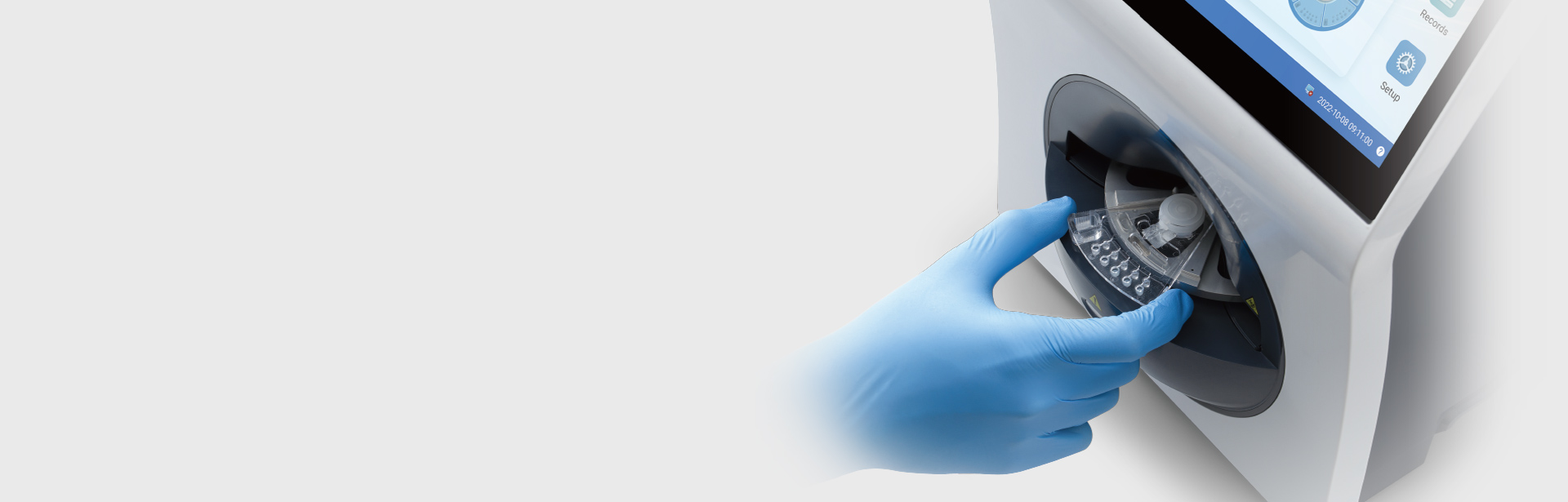
The EDAN CL30 stands out as an example of how advanced design can improve molecular diagnostic testing speed and overall TAT. This system utilizes loop-mediated isothermal amplification, allowing it to produce results in as little as fifteen minutes while keeping hands-on time extremely low. Single-use cartridges eliminate contamination risks and simplify setup. The integrated touchscreen and barcode scanner further reduce operational delays, making the CL30 a practical choice for labs that require both rapid results and ease of use.
Conclusion
In summary, evaluating the speed and TAT of diagnostic analyzers is fundamental for laboratories aiming to optimize performance and support patient care. Innovations like the EDAN CL30 demonstrate how refined workflows and rapid amplification technologies can deliver actionable molecular insights far more quickly than conventional approaches. By prioritizing analyzers that combine quick processing with dependable results, clinical settings can maintain high quality while responding to urgent diagnostic needs.