
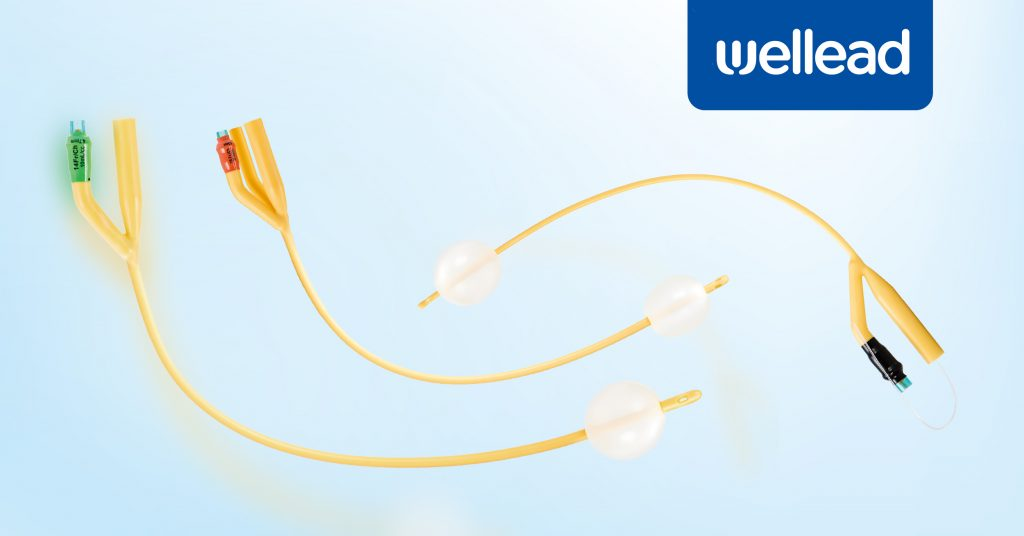
Catheters are essential medical devices in healthcare settings, and Well Lead Medical offers solutions designed to support patient comfort and safety. One of their notable products, the latex foley catheter, is commonly used to manage urinary incontinence or retention in patients under anesthesia or those unable to urinate independently. This product provides reliable performance while addressing everyday clinical needs in hospitals and healthcare facilities.
Features Promoting Patient Comfort
The latex foley catheter from Well Lead Medical is recognized for its flexibility and softness. These qualities allow for easier insertion and reduce patient discomfort during use. Healthcare professionals value this combination of elasticity and comfort, as it contributes to a more positive patient experience, particularly in sensitive procedures. In addition, latex’s biocompatibility ensures the catheter adapts well to the body’s internal structures, minimizing irritation in patients who do not have latex allergies. Innovations in silicone coating have further improved the safety and effectiveness of these catheters.
Practical Considerations in Healthcare Settings
Cost and accessibility are important in medical practice. Well Lead Medical’s latex foley catheter provides a cost-effective option compared to other types of catheters, helping healthcare facilities maintain both quality and affordability. Its practical design allows regular use for managing urinary issues while balancing budget considerations. Medical staff can rely on these catheters for consistent performance, whether in surgery, long-term care, or general hospital use.
Conclusion
By offering the latex foley catheter, Well Lead Medical supports patient care with devices that prioritize comfort, safety, and practicality. The combination of flexibility, biocompatibility, and cost-effectiveness makes this product a dependable choice in various clinical environments. Healthcare providers can confidently integrate these catheters into their practice, knowing they meet essential medical requirements while maintaining patient comfort and usability.